Login

Login
How Schools Can Use First Report Cards to Deepen Family Engagement
- The Eurekii Corner
- How Schools Can Use First Report Cards to Deepen Family Engagement
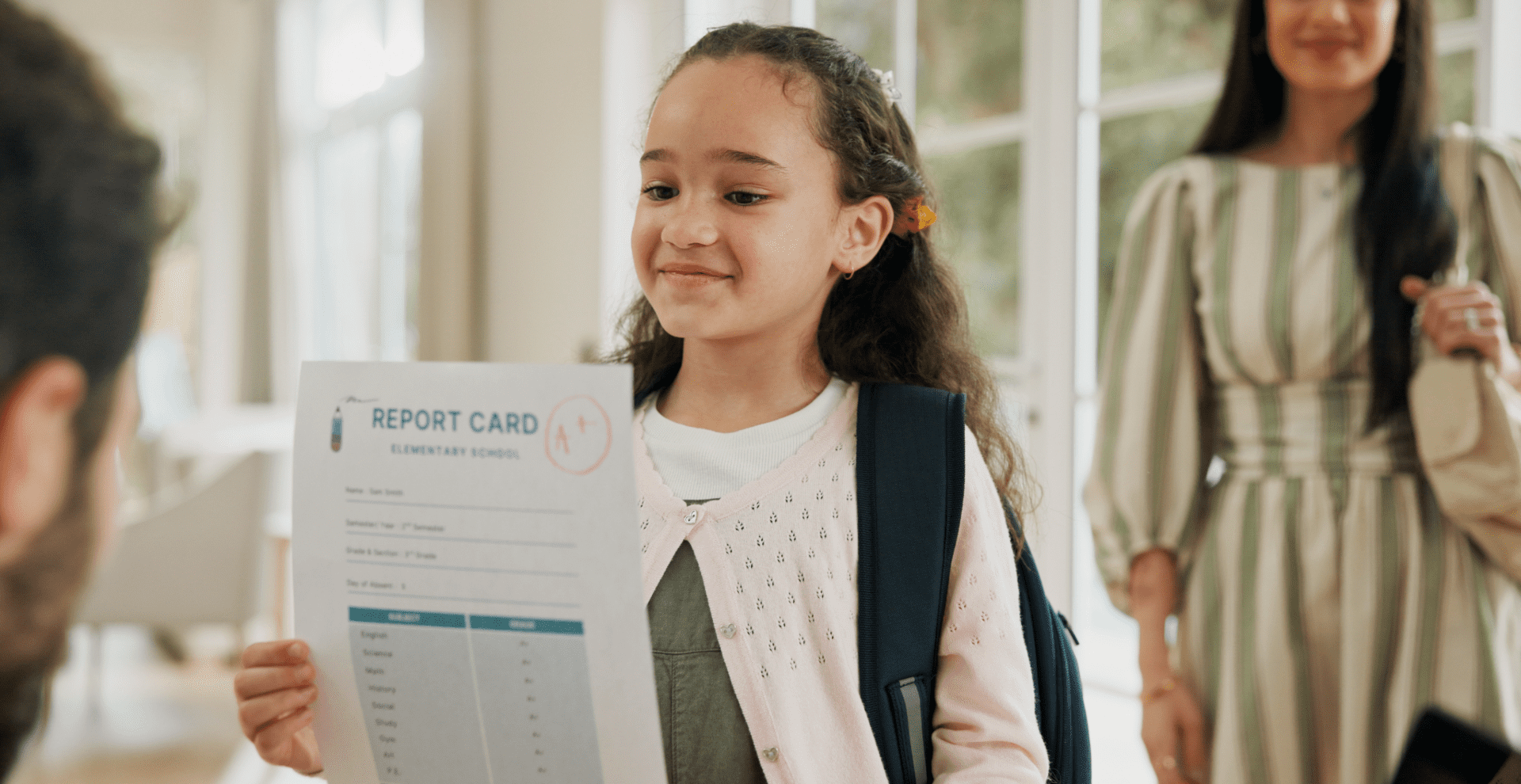
The first report cards of the school year are important milestones. They help schools, students, and families check in on academic progress and classroom performance. But often, when a parent sees a “good grade,” the assumption is simple: Everything must be fine. And life goes on.
This is one of the most missed opportunities for meaningful family engagement.
Report cards are not the end of a conversation—they’re the beginning. Here are four reasons why schools should actively engage families at this moment, and how to do it in a way that strengthens learning at home and school.
1. A Report Card is Just the Start
A grade is one indicator, but it doesn’t show how students are performing on other measures, such as state assessments or beginning-of-year benchmarks.
A student can have a good report card and still be behind.
How to Engage Families:
Give parents a list of approved resources—videos, apps, practice tasks—that help students build fluency and problem-solving skills at home.
2. Grades vs. Learning
Grades matter, but a love of learning matters more. Schools can encourage families to bring math into everyday life in fun, relevant ways.
How to Engage Families:
For younger children, share counting or addition/subtraction game ideas. For older children, suggest budgeting activities—like planning a vacation or organizing a party—to apply math in real life.
3. Dig Deeper When Grades Don’t Tell the Full Story
Grades can sometimes reflect effort, participation, or incomplete data—especially with staffing changes or inconsistent grading practices. A “good grade” does not automatically mean mastery.
How to Engage Families:
Communicate early when you see academic disconnects. If a student earned a B while missing assignments or having multiple absences, parents should know so they can help address the root issue.
4. Grades Aren’t the Only Measure That Matters
The student mindset is foundational. Families can be strong advocates when schools ask about how their children feel about school, learning, and classroom experiences.
How to Engage Families:
Survey parents or students directly about engagement, interest, challenge levels, and emotional well-being. This creates shared responsibility and empowers students to advocate for themselves.
Recent Posts